
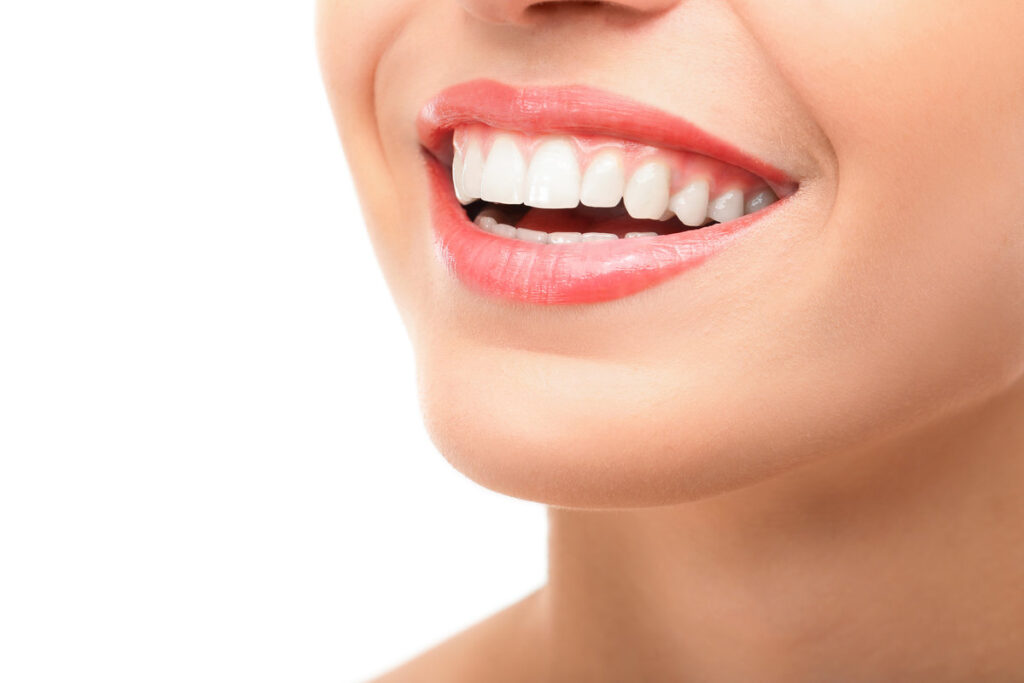
A gap between your front teeth can feel like the first thing people notice when you smile. Whether it developed during childhood or gradually widened over the years, even a small space between teeth may affect how confident you feel in photos, job interviews, or everyday conversations. Many people assume braces or veneers are the only options, but a faster, more conservative treatment may be able to help you close the gap without altering healthy tooth structure.
At Lumiere Dental, our cosmetic dentistry services include solutions designed to correct visible gaps quickly and comfortably. Dr. Ryan Woitas, DMD, uses composite bonding as a minimally invasive approach to reshape teeth and eliminate spaces, often in a single appointment. For patients in Wicker Park and surrounding Chicago neighborhoods, this treatment offers a practical path to a more balanced, natural-looking smile.
What Causes Gaps Between Teeth?
The clinical term for a gap between teeth is diastema, and it occurs more often than most people realize. A 2022 review published in Cureus noted diastema is a common finding across many populations, with causes ranging from genetics to oral habits. In some cases, the size of the teeth simply does not match the size of the jaw, leaving natural spaces. In others, habits like thumb-sucking during childhood or tongue thrusting can gradually push teeth apart over time.
Gum disease may also contribute to widening gaps, as the supporting bone and tissue around teeth weaken. A prominent labial frenum, the tissue connecting the upper lip to the gums, can create or maintain a space between the two front teeth. Understanding the cause of your gap helps determine the most effective treatment plan and whether dental bonding is the right fit.
How Composite Bonding Closes Gaps
Composite bonding involves applying a tooth-colored resin material directly to the surfaces of the teeth on either side of the gap. Dr. Woitas carefully layers and sculpts the composite to add width to each tooth, effectively closing the space between them. The resin is hardened with a curing light and then shaped and polished to blend seamlessly with the surrounding enamel.
What the Procedure Looks Like
One of the biggest advantages of composite bonding is the simplicity of the process. No tooth reduction or drilling is typically needed, which means the procedure preserves your natural tooth structure. Most diastema closures with bonding can be completed in one visit, and the results are visible immediately. Because no enamel is removed, the treatment is fully reversible if you ever choose a different option in the future.
Ideal Gap Sizes for Bonding
Composite bonding works best for small to moderate gaps, generally up to about 2 to 3 millimeters. Larger spaces may require a combination of treatments, such as clear aligner therapy followed by bonding to fine-tune the final result.
Benefits of Choosing Composite Bonding for Gap Closure
Patients often choose composite bonding over other cosmetic treatments for several reasons. The procedure offers a unique combination of convenience, affordability, and preservation of natural tooth structure.
Some of the key benefits include:
- Completion in a single appointment with no need for temporary restorations or lab work
- No removal of healthy enamel, making it one of the most conservative cosmetic treatments available
- Results closely matched to your natural tooth color and shape for a seamless appearance
- Lower cost compared to porcelain veneers or orthodontic treatment
- Easy to repair or modify if the bonding chips or you want adjustments later
With proper care, including regular brushing, flossing, and avoiding habits like biting on hard objects, composite bonding for diastema closure may last several years before touch-ups are needed.
Who Is a Good Candidate?
Composite bonding for gap closure works well for adults and teens with small to moderate diastemas who want visible results without a lengthy treatment timeline. If your gap is primarily a cosmetic concern and the surrounding teeth and gums are healthy, bonding may be an ideal solution. Patients with active gum disease or significant bite alignment issues may need to address those conditions first.
During a consultation, Dr. Woitas evaluates the size of the gap, the proportions of your teeth, and your overall oral health to determine whether bonding alone can achieve your goals or whether a smile makeover combining multiple treatments would deliver a better outcome.
Close the Gap at Lumiere Dental
Composite bonding is one of the most accessible ways to address spacing between teeth, and Lumiere Dental brings a biomimetic, tooth-preserving approach to every case. As a doctor-owned, family-run practice in Wicker Park, we combine over 100 hours of continuing education with state-of-the-art technology to deliver precise, natural-looking results. Dr. Woitas and our team are committed to treatments built around your comfort, your goals, and the long-term health of your smile.
If a gap between your teeth has kept you from smiling with confidence, we are here to help. Contact us today to schedule a consultation and find out whether composite bonding is the right choice for you.