
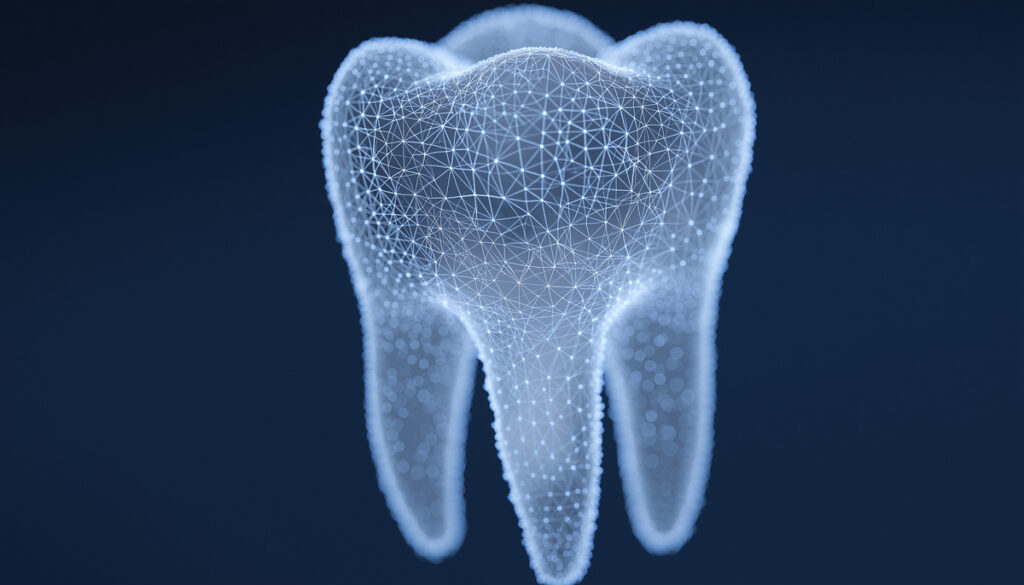
Biomimetic dentistry mimics the natural structure and function of your teeth to restore damaged areas while preserving as much healthy tooth structure as possible. This approach uses advanced materials and minimally invasive techniques to rebuild teeth, closely replicating their original strength and flexibility. The result is a restoration that functions like a natural tooth and prevents future damage.
At Lumiere Dental, Dr. Ryan Woitas has completed over 100 hours of continuing education and applies these techniques to help patients preserve as much of their natural smile as possible.
Understanding the Biomimetic Approach
The term biomimetic comes from “bio,” meaning life, and “mimetic,” meaning to imitate. In dentistry, this means recreating the natural properties of teeth rather than simply filling or covering damaged areas. Traditional dental treatments often remove large amounts of healthy tooth structure to accommodate restorations. Biomimetic dentistry takes a different path by preserving what’s healthy and using materials that bond to your tooth and flex naturally with it, rather than acting as a rigid cap on top.
How Biomimetic Dentistry Differs From Traditional Methods
Traditional dentistry often relies on full-coverage crowns and extensive drilling to treat damaged teeth. These methods can weaken the tooth by removing too much structure. A tooth that has been significantly reduced for a crown may become more prone to fracture or sensitivity.
Biomimetic dentistry focuses on conservation. Instead of removing large portions of the tooth, your dentist removes only the damaged or decayed areas. The remaining healthy structure is bonded with materials engineered to behave like natural enamel and dentin, which helps the restored tooth handle everyday biting forces the way it did before treatment.
Benefits of Preserving Natural Tooth Structure
Keeping as much of your natural tooth as possible offers several advantages. Teeth with more remaining structure are generally stronger and last longer. When your tooth retains its natural shape and thickness, it can better withstand the forces of biting and chewing.
Sensitivity is another concern with traditional restorations. Removing large amounts of tooth structure can expose the inner layers of your tooth, leading to discomfort with hot or cold foods. Biomimetic techniques minimize this risk by keeping more of the protective outer layers intact.
Common Procedures Using Biomimetic Techniques
Biomimetic dentistry can be applied to a wide range of treatments. Composite fillings are one of the most common applications. Instead of removing healthy tooth structure to create retention for amalgam fillings, composite materials bond directly to the tooth. This allows for smaller, more conservative preparations.
Onlays and inlays are another option. These restorations cover only the damaged portion of the tooth rather than the entire chewing surface, preserving more of your original tooth than a full crown would require. For a broader look at how this philosophy applies across different case types, see our overview of how biomimetic dentistry saves natural teeth.
Long-Term Advantages for Your Oral Health
Biomimetic dentistry supports better long-term outcomes. By preserving healthy tooth structure, you reduce the need for future treatments. Teeth that maintain their natural integrity are less likely to develop complications over time.
The adhesive seal created in biomimetic restorations also protects against decay. Traditional fillings can develop gaps where bacteria enter and cause secondary cavities. Bonded restorations create a barrier that keeps bacteria out more effectively over the life of the restoration.
Is Biomimetic Dentistry Right for You?
Most patients with damaged or decayed teeth can benefit from biomimetic dentistry. If you have a cavity, crack, or fracture, this approach offers a conservative solution that prioritizes preservation. The techniques work well for both front and back teeth and can address everything from minor decay to more extensive damage.
Your dentist will evaluate your specific situation to determine the best treatment plan. Factors like the extent of damage, the location of the tooth, and your bite all play a role in whether biomimetic techniques are the right fit.
Experience Biomimetic Dentistry at Lumiere Dental
Dr. Woitas uses biomimetic principles to deliver restorations that look natural, feel comfortable, and last longer. His commitment to advanced techniques and continuing education ensures you receive care that prioritizes your long-term oral health. By focusing on preservation rather than replacement, biomimetic dentistry helps you maintain your natural smile for years to come.
Frequently Asked Questions About Biomimetic Restorations
What is the difference between an onlay and a full crown?
An onlay covers only the damaged portion of a tooth, while a full crown covers the entire chewing surface and often requires removing more healthy tooth structure to place.
Do biomimetic composite fillings look different from regular fillings?
Biomimetic composite fillings are tooth-colored and blend with your natural tooth, unlike traditional amalgam fillings, which are metallic in appearance.
Why does removing less tooth structure matter?
Teeth with more of their original structure intact are generally stronger, less prone to sensitivity, and less likely to require more invasive treatment down the road.
Can biomimetic techniques be used on back teeth that handle more chewing force?
Yes. Biomimetic materials are designed to flex and bond similarly to natural tooth structure, making them suitable for the chewing forces experienced by molars and other back teeth.
How do I know if my damaged tooth qualifies for a biomimetic repair instead of a crown?
Your dentist will evaluate the extent of the damage, the tooth’s location, and your bite to determine whether a conservative biomimetic repair is appropriate or whether more extensive coverage is needed.